

Transform Your Space with Travel Souvenirs

Updated: May 5
Choose a Consistent Display Area
The first step to integrating travel souvenirs is to select a dedicated space for them. This could be a shelf, a corner table, or a wall-mounted display case. Keeping souvenirs in one area helps maintain order and prevents our living spaces from feeling cluttered.
Shelves work well for small statues, pottery, or framed postcards.
Shadow boxes or glass cases protect delicate items while showcasing them.
Floating shelves can create a modern look and allow us to arrange items at eye level.
By grouping souvenirs together, we create a mini-gallery that invites conversation and highlights our travels.
Use Functional Items as Souvenirs
Some travel souvenirs serve a dual purpose: they are both decorative and functional. Incorporating these into our living spaces can make the design feel intentional and practical.
Examples include:
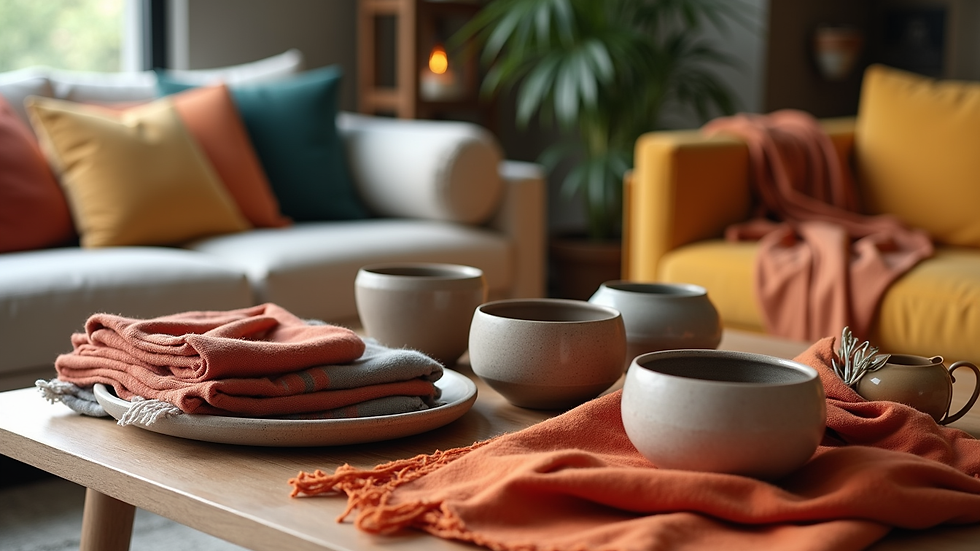
Textiles like small woven rugs, cushion covers, or table runners from our travels.
Ceramic bowls or mugs that can be used daily but also remind us of a special place.
Coasters or trays featuring local art or patterns.
Using souvenirs in everyday life keeps them visible and appreciated without adding extra clutter.
Create a Theme or Color Palette
To make souvenirs fit seamlessly into our living spaces, we should consider the overall theme or color palette of the room. Matching or complementing colors can unify diverse items and make the display feel curated.
For example:
If our living room has earth tones, souvenirs made of natural materials like wood, stone, or clay will blend well.
Bright, colorful textiles or ceramics can add pops of colour in a neutral room.
Grouping souvenirs by region or style (e.g., Asian ceramics, Mediterranean pottery) can create a cohesive story.
This approach ensures that souvenirs enhance rather than clash with our interior design.
Incorporate Souvenirs into Wall Art
Small souvenirs don’t have to sit on shelves or tables. Many can be integrated into wall art or gallery walls, adding dimension and interest.
Ideas include:
Framing postcards, tickets, or small prints alongside souvenirs like coins or jewelry in shadow boxes.
Mounting small masks, carvings, or decorative plates on the wall.
Creating a collage of travel photos mixed with souvenirs attached to a corkboard or canvas.
This method turns our souvenirs into focal points and conversation starters while saving surface space.
Rotate Souvenirs Seasonally or by Mood
If we have many small souvenirs, rotating them can keep our living spaces fresh and prevent overcrowding. We can change the display based on seasons, holidays, or our mood.
Display beach-themed items in summer and cozy textiles in winter.
Swap souvenirs from different countries every few months.
Use rotation to highlight new acquisitions or special memories.
This keeps our homes dynamic and allows each souvenir to shine without overwhelming the space.

Balance Souvenirs with Minimalism
To avoid a cluttered look, we should balance our souvenirs with minimalist design elements. Leaving breathing room around each item and avoiding overcrowding shelves or walls is essential.
Tips for balance:
Use neutral backgrounds like white or light wood to make souvenirs stand out.
Pair souvenirs with simple furniture and clean lines.
Group items in odd numbers (three or five) for a natural, pleasing arrangement.
This balance highlights our souvenirs as special accents rather than overwhelming decorations.
Personalize Your Space with Stories
Finally, the best way to integrate souvenirs is to connect them with stories. We can label items with small tags or keep a travel journal nearby that explains their significance. Sharing these stories with guests adds depth and meaning to our living spaces.
For example:
A small statue from a temple visit can be accompanied by a photo or a note about the experience.
A handmade bracelet can be displayed with a card describing the artisan or culture.
A unique shell can be placed next to a map marking where it was found.
This storytelling approach transforms our souvenirs into meaningful parts of our home’s identity.
Conclusion: Making Memories Last
In conclusion, integrating travel souvenirs into our living spaces can create a warm and inviting atmosphere. By choosing a consistent display area, using functional items, creating a theme, incorporating them into wall art, rotating them seasonally, balancing with minimalism, and personalizing with stories, we can celebrate our adventures in style.
Let’s embrace our unique treasures and transform our homes into galleries of our journeys. After all, these small tokens are not just decorations; they are reminders of the experiences that shape us.
By following these guidelines, we can ensure that our homes reflect our personalities and the stories we hold dear. Remember, each souvenir has a tale to tell, and it’s our joy to share these narratives with those who enter our spaces.
---wix---


Comments