

From Monastic Serenity to Coastal Comfort: The Evolution of Home Interiors in Early 2026

The way we design our homes reflects how we want to feel within them. Early 2026 reveals a clear shift in interior styles, moving from the quiet, restrained monastic aesthetic toward warmer, more inviting coastal cottage spaces. This change brings fresh energy and comfort to living spaces, blending simplicity with cozy charm. Understanding this evolution helps homeowners and designers create interiors that feel both current and deeply personal.
The Appeal of Monastic Aesthetics
At the start of 2026, many interiors embraced monastic calm. This style draws inspiration from the simplicity and tranquility of monastic life, focusing on natural materials and muted tones. Key features include:
Limewash walls: These soft, matte finishes create a subtle texture and a sense of age, evoking old stone cloisters.
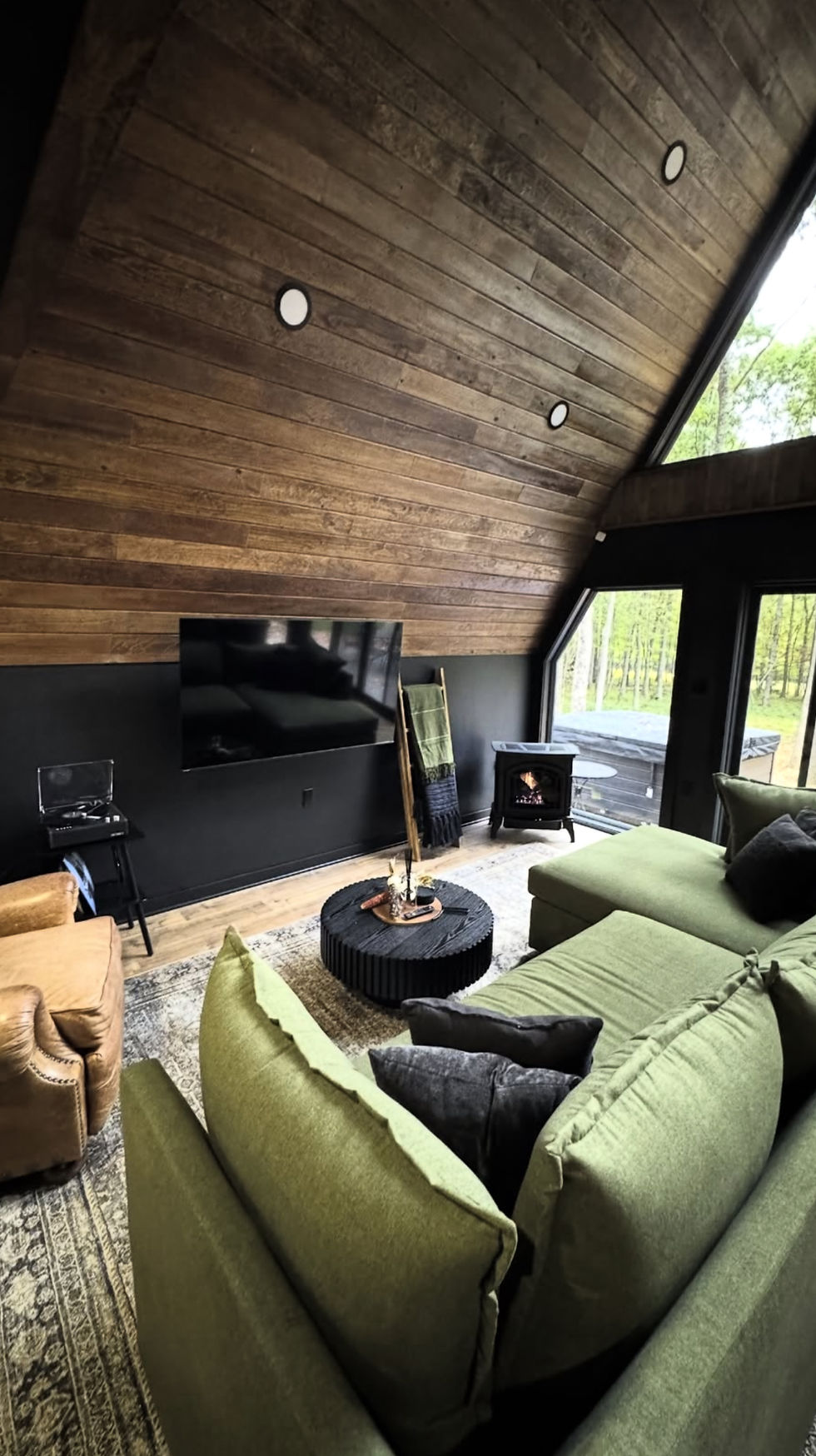
Rustic wood elements: Rough-hewn beams, simple wooden furniture, and natural wood floors add warmth without excess decoration.
Candles and soft lighting: Instead of bright overhead lights, flickering candles and low lamps provide a gentle glow, enhancing the peaceful atmosphere.
This aesthetic appeals to those seeking a retreat from busy lives. It encourages mindfulness and calm through minimalism and natural beauty. Spaces feel uncluttered and grounded, with an emphasis on craftsmanship and authenticity.
Why the Shift Toward Coastal Cottage Style?
While monastic interiors offer serenity, many homeowners crave a bit more warmth and personality. The coastal cottage style answers this call by introducing brighter colors, softer textures, and a relaxed vibe inspired by seaside living. This trend reflects a desire for comfort and connection to nature, but with a more playful and inviting spirit.
Key elements of coastal cottage interiors include:
Light, airy color palettes: Soft blues, sandy beiges, and crisp whites replace the muted grays and earth tones of monastic spaces.
Natural fibers and textiles: Linen curtains, cotton throws, and woven rugs add texture and softness.
Casual, layered decor: Cushions, throws, and decorative objects create a lived-in feel without clutter.
Nautical and botanical accents: Shells, driftwood, and leafy plants bring the outdoors inside.
This style balances simplicity with comfort, making rooms feel welcoming and full of life. It suits those who want their homes to feel like a cozy retreat with a touch of coastal charm.
How to Transition Your Home from Monastic to Coastal Cottage
If you love the calm of monastic design but want to add warmth and personality, here are practical steps to evolve your space:
1. Soften the Color Palette
Replace some of the cooler, muted tones with warmer shades inspired by the coast. Consider:
Painting one wall in a soft seafoam green or pale blue
Adding sandy beige or warm white accents through textiles or furniture
Using natural wood finishes with lighter stains or whitewash
2. Introduce Textiles and Layers
Monastic interiors often avoid excess fabric, but coastal cottages embrace softness. Add:
Linen or cotton curtains that let in natural light
Cushions and throws in soft, natural fabrics with subtle patterns
Woven rugs that add texture and warmth underfoot
3. Bring in Natural Elements
Incorporate items that evoke the seaside and nature:
Driftwood or weathered wood decor pieces
Potted plants or fresh flowers to add life and color
Nautical-inspired accessories like shells or rope details
4. Adjust Lighting for Warmth
Swap some candles and dim lamps for fixtures that provide a warm, inviting glow:
Lamps with fabric shades in neutral tones
String lights or lanterns for a cozy atmosphere
Use dimmers to control brightness and mood
5. Mix Rustic and Cozy Furniture
Keep some rustic wood pieces from the monastic style but soften their look:
Add slipcovers or cushions to wooden chairs
Choose furniture with rounded edges or softer lines
Incorporate upholstered pieces in natural fabrics
Examples of the Interior Shift in Real Homes
Several interior designers and homeowners have embraced this transition with success. For example:
A living room with limewashed walls and exposed beams now features a pale blue sofa, linen curtains, and a woven jute rug. Driftwood sculptures and potted ferns add coastal touches.
A dining area with a rustic wooden table and candlelight has been brightened with whitewashed chairs, a sea glass centerpiece, and soft cotton napkins in sandy hues.
Bedrooms once stark and minimal now include layered bedding in soft blues and whites, wicker baskets for storage, and botanical prints on the walls.
These examples show how small changes can shift the mood from austere calm to cozy comfort without losing the original charm.
Why This Evolution Matters for Homeowners
This shift reflects broader lifestyle changes. People want homes that support relaxation and well-being but also feel joyful and welcoming. The move from monastic serenity to coastal comfort offers:
A balance between simplicity and warmth
Spaces that feel both peaceful and inviting
Opportunities to personalize interiors with natural, tactile elements
For those designing or updating their homes, understanding this trend helps create spaces that feel fresh, timeless, and deeply satisfying.


Comments